



What Does Thermal Paste Actually Do?
Before talking about “the best,” let’s understand its role.
Your processor gets hot. Really hot. And the cooler is there to carry that heat away. But there’s an invisible problem: the surfaces aren’t perfectly flat.
Even if they look smooth, both the CPU and the cooler have microscopic imperfections. And the air trapped in those gaps is a terrible conductor of heat.
That’s where thermal paste comes in.
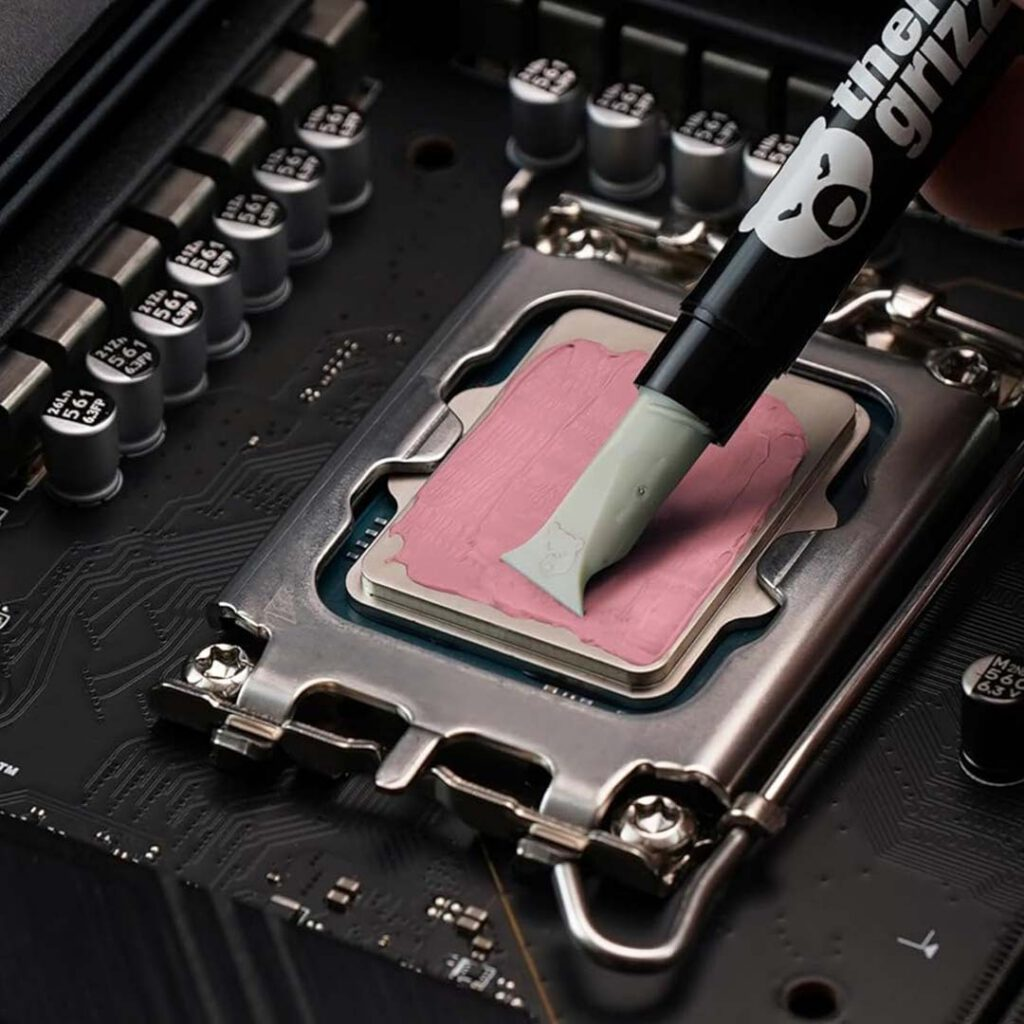
It fills those tiny gaps and creates a more efficient path for heat to travel.
So… Does the Quality of Thermal Paste Matter?
Yes, but not in the way most people think.
In practice, the difference between a standard paste and a high-end one is usually around:
👉 2°C to 5°C on average
In other words, it’s not going to turn a weak PC into a powerhouse.
But it’s also not meaningless, especially in certain scenarios.
When Thermal Paste Actually Matters
This is where your choice starts to make sense.
1. High-performance PCs
If you’re using a powerful CPU or running demanding tasks (gaming, editing, rendering), every degree counts.
Lower temperatures mean:
- more stability
- less risk of crashes
- better sustained performance
2. Overclocking
If you like squeezing every bit of performance out of your CPU, thermal paste becomes more important.
In this case, a few degrees can make a real difference.
3. Hot environments
Let’s be real. In warmer regions, this matters.
If your ambient temperature is already high, your entire system runs closer to its limits. A better paste can help keep things under control.
When It Doesn’t Matter That Much
Now here’s the part most people don’t talk about.
For the majority of users, thermal paste is not the deciding factor.
If you:
- use your PC for everyday tasks
- don’t overclock
- have a decent cooler
Then any good-quality paste will do the job just fine.
Types of Thermal Paste (Without the Complexity)
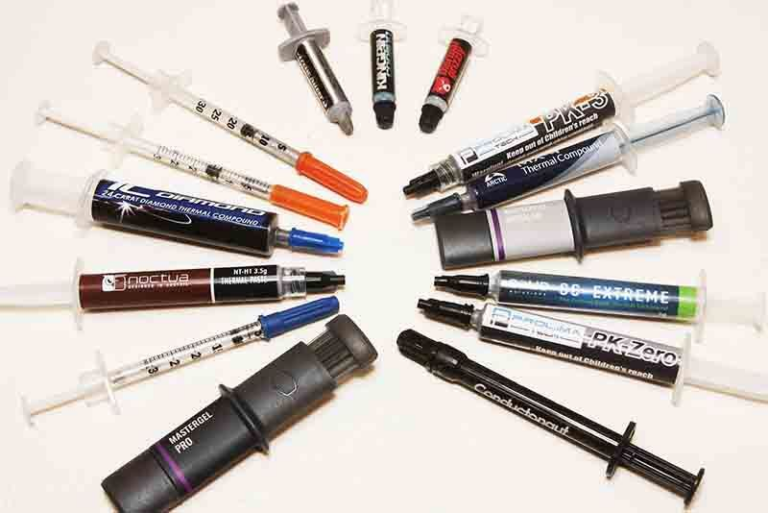
There are several types, but here’s a simple breakdown:
🔹 Standard (silicone-based)
- More affordable
- Gets the job done
- Great for general use
🔹 Metal or ceramic-based
- Better heat conductivity
- More efficient
- Ideal for more demanding setups
🔹 Liquid metal (advanced level)
- Extremely efficient
- Harder to apply
- Can cause damage if used incorrectly
For most people, the first two are more than enough.
The Biggest Mistake Isn’t the Paste… It’s the Application
Here’s the twist.
You can have the best thermal paste in the world…
and still get bad results.
Why?
👉 Incorrect application.
Common mistakes:
- using too much paste
- using too little
- spreading it unevenly
- not mounting the cooler properly
The result? Higher temperatures than expected.

Thermal Paste ARCTIC MX-7 (8 g)
NEXT-LEVEL THERMAL PERFORMANCE: MX-7 features a performance-optimized, dense, and highly viscous consistency. Its high filler content ensures exceptional heat transfer
Special price for BitForge readers.
Special price for BitForge readers.A simple rule:
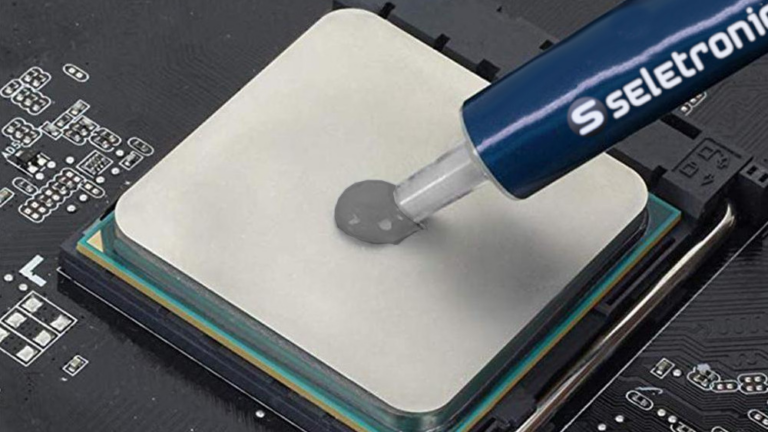
a small amount in the center works in most cases.
Old Thermal Paste Is Also a Problem
Another overlooked factor: time.
Over time, thermal paste can:
- dry out
- lose efficiency
- create gaps in heat transfer
If your PC is a few years old and running hotter than before, replacing the paste can make a noticeable difference.
So… What Is the Best Thermal Paste?
Here’s the straight answer:
👉 There’s no universal “best.” There’s only what’s best for your use case.
To summarize:
- Casual use → any decent paste works
- Intermediate use → worth investing a bit more
- Extreme use → choice starts to matter more
But overall, the impact is smaller than most people think.
Conclusion
Thermal paste is like seasoning in a recipe.
It improves the result… but it won’t fix a bad dish.
What matters more:
- a good cooler
- proper airflow inside the case
- correct installation
Thermal paste is a fine-tuning element, not the main star.
So before spending hours looking for “the best thermal paste in the world,” ask yourself:
👉 Is my system well built overall?
Because in the end, that’s what really keeps your PC cool and healthy.